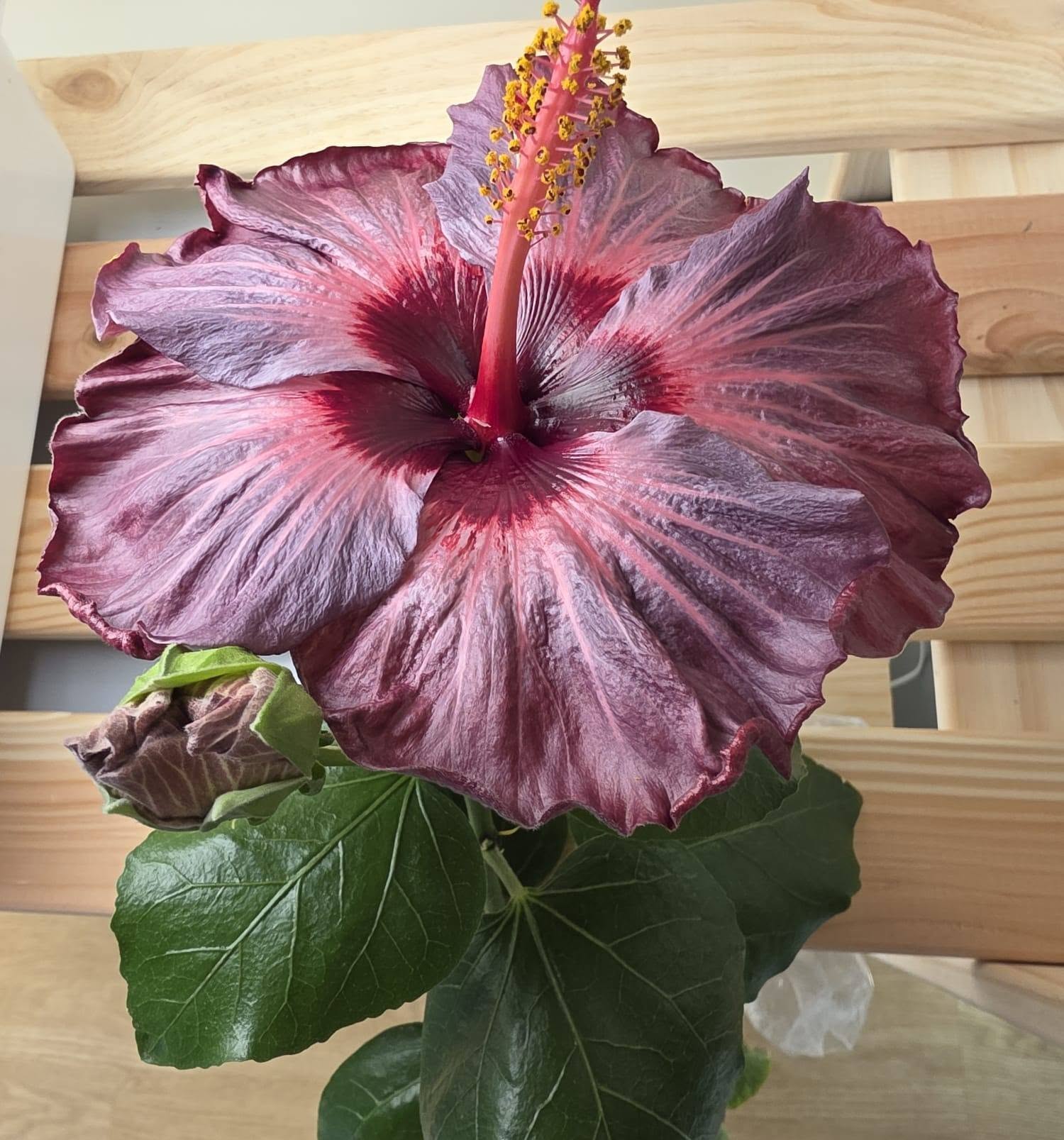
If you grow hibiscus, you probably know the feeling: the plant looks healthy, it forms beautiful buds… and then suddenly they drop. Just like that. No flowers. No explanation. Just heartbreak. 🥀
Don't worry — this is one of the most common hibiscus problems, and in most cases the reason is easy to find and fix. Let's go through the main causes together.
🌱 1. Root problems (the #1 reason)
Almost every plant issue starts underground. If the roots are stressed, damaged, or sitting in poor soil, the plant simply can't support flowers — so it drops the buds.
What helps:
- Repot the plant or replace the top layer of soil with fresh substrate
- Improve nutrition with balanced macro- and micronutrients
- Use a root stimulant to encourage new root growth
- Adjust watering habits
Healthy roots = happy leaves = flowers that actually open. Simple math. 😉
☀️ 2. Not enough sunlight
Hibiscus absolutely loves the sun. It needs at least 6–8 hours of bright light daily, and for heavy blooming 10–12 hours is even better.
In winter, many indoor hibiscus stop blooming simply because the days are shorter. If you want winter flowers, a grow light can help.
Basically, hibiscus is a bit like a solar panel with petals. The more light it gets, the happier it is. 🌞
💧 3. Watering mistakes
Both too much and too little water can cause bud drop.
- Overwatering can lead to root rot
- Underwatering stresses the plant and it sacrifices buds
A good rule: water only when the top layer of soil is dry, and water moderately rather than flooding the pot.
Remember — soil dries from top to bottom, so the surface may look dry while the lower layers are still moist.
Think of watering like making tea: not too weak, not too strong. Just right. ☕
🐛 4. Pests hiding inside the buds or on the leaves
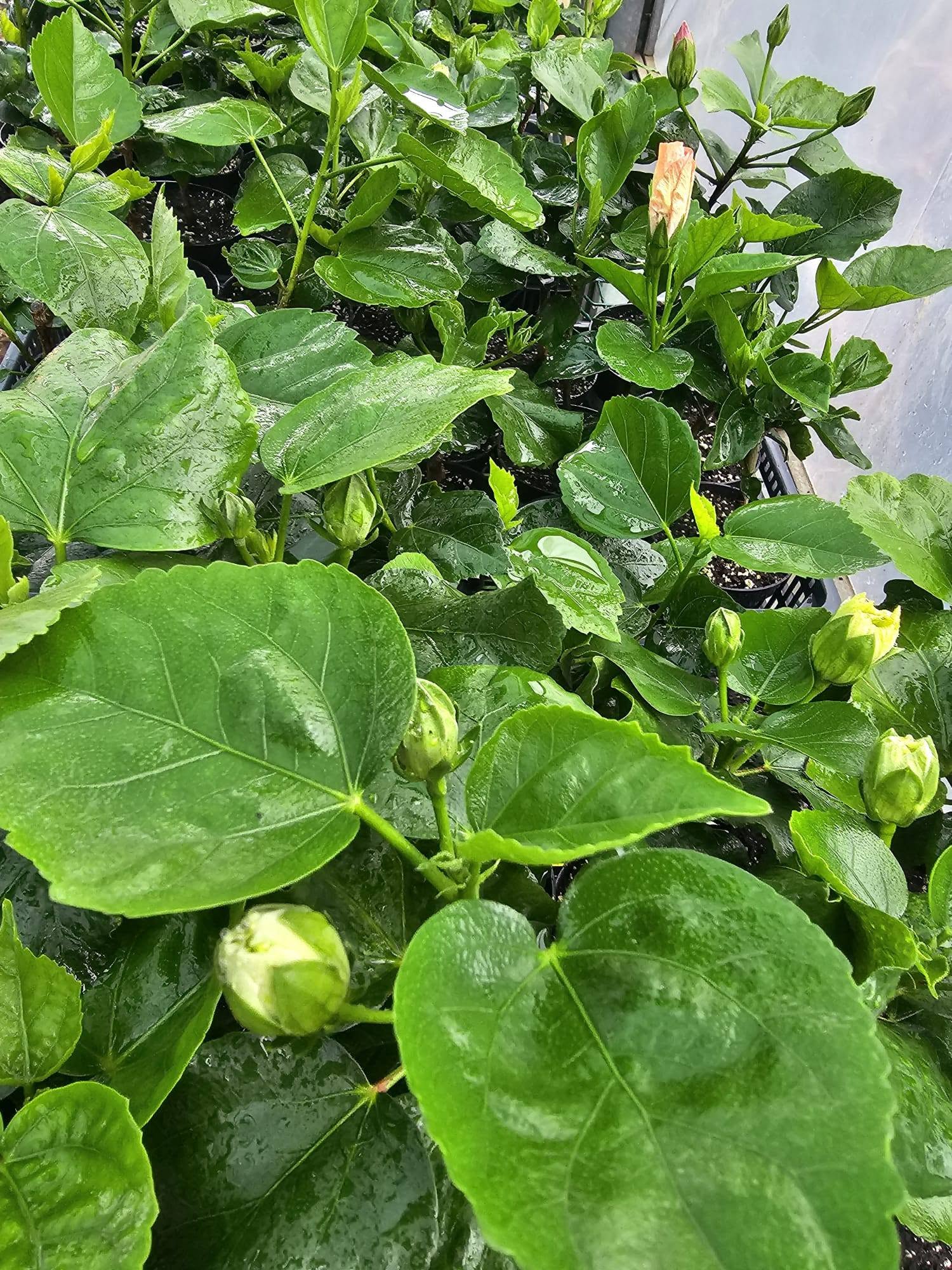
Tiny pests like thrips or hibiscus gall midge can lay eggs inside buds. The larvae feed on the bud base, causing them to stay closed, turn dark, and drop.
Other pests like spidermites or whiteflies cause the weakening of the plant, therefore — bud dropping 😪
Check regularly:
- inside buds
- the underside of leaves
If you see pests, identify them first and then treat properly. Pest control works best when you break the whole life cycle — eggs, larvae, adults.
Basically, evict the tenants before they eat the house. 🏡🐛
🌡 5. Environmental stress
Hibiscus doesn't like sudden changes.
Bud drop can happen if:
- temperatures rise above 32°C
- temperatures fluctuate quickly
- the direct summer sun is way too strong and too hot
Stable conditions help buds develop normally.
🪴 6. The plant is root-bound
If the plant has been in the same pot for years, the roots may fill the entire container. When that happens, the plant struggles to absorb enough water and nutrients — and flowering suffers.
If you gently remove the pot and see lots of white healthy roots tightly circling, it's probably time for a bigger home.
Even plants need more legroom sometimes. 😄
🌿 7. Some varieties are dramatic
Yes, really. Certain hibiscus varieties are extremely sensitive during the budding stage. If you move, rotate, or disturb the pot, they may drop buds.
So when you see buds forming, sometimes the best strategy is: don't touch anything and pretend you're not watching. 👀
🧪 8. Nutrient deficiency
Lack of key nutrients can stop buds from developing, especially:
- potassium
- calcium
At the same time, avoid fertilizers that are high in phosphorus.
🌱 9. The plant may simply be too young
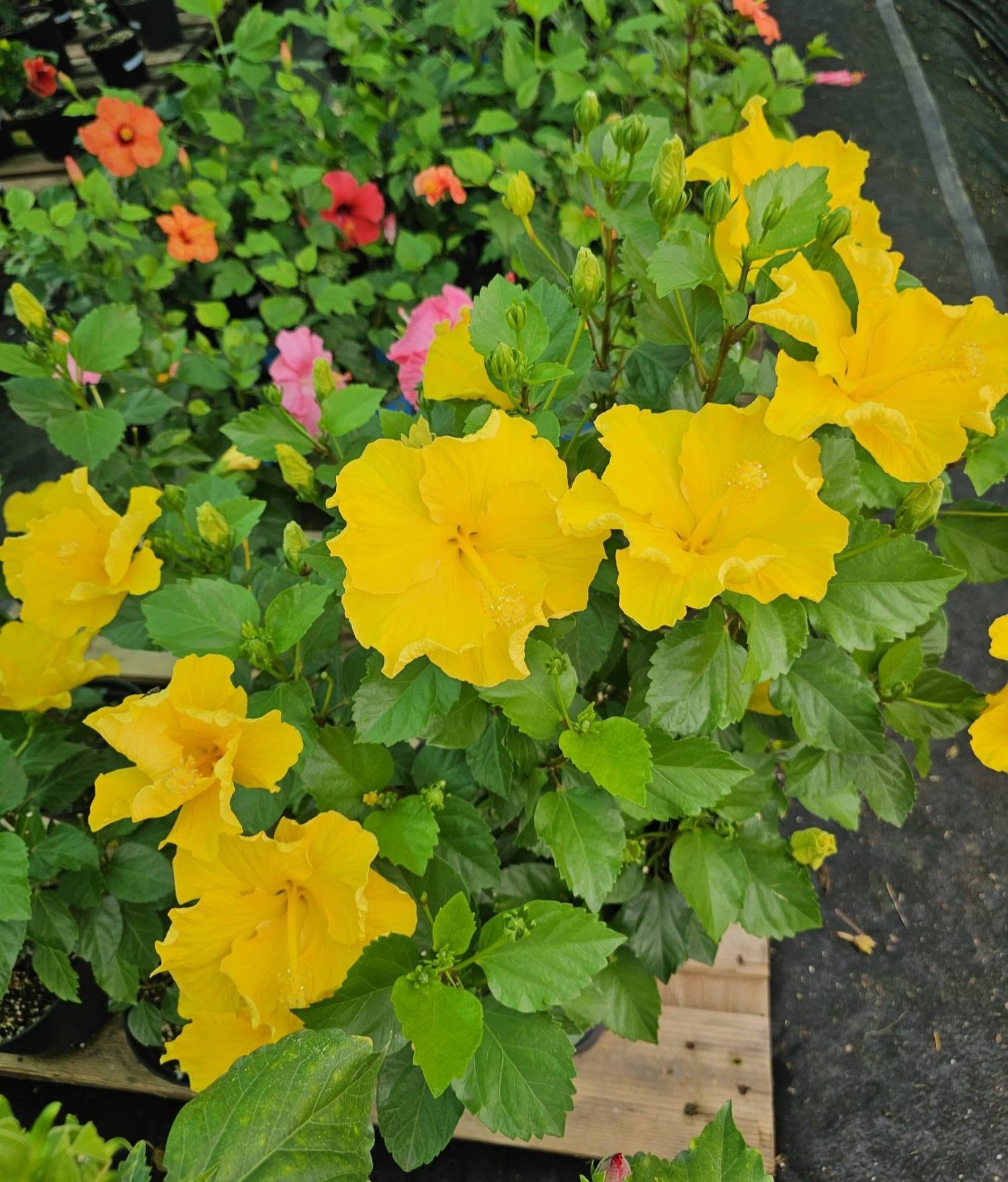
Young hibiscus plants first focus on growing strong roots, stems, and leaves. Only when the plant becomes strong enough can it support those giant flowers (some are up to 25 cm wide).
So sometimes the solution is simply patience. Use a fertilizer with nitrogen to help your plant become bigger and stronger 💪
Plants grow at their own pace… not on our schedule. 😅
🌺 And one last interesting case — boron deficiency
If everything looks perfect — healthy roots, good light, proper watering, no pests — but the plant still drops buds, boron deficiency might be the hidden reason.
A light foliar spray containing boron on young leaves can sometimes solve the problem quickly.
But be careful: boron is a micronutrient, and too much can harm the plant.
Sometimes a single treatment is enough, and suddenly the hibiscus that refused to bloom for months starts producing flowers again.
Nature loves surprises. 🌿
🌿 Natural nutrient boosters
If you prefer organic methods, you can try:
- Wood ash solution — adds potassium and trace elements, helps flowering
- Nettle fertilizer — a powerful natural plant tonic
- Mature compost — improves soil health and provides balanced nutrients
🌺 Final thought
When hibiscus drops buds, it's usually the plant telling you something isn't quite right.
Check: ☀️ light 💧 watering 🌱 roots 🐛 pests 🧪 nutrients
Fix the issue, and your hibiscus will reward you with the spectacular blooms it's famous for.
And when that first flower finally opens… you'll forget all about the drama. 🌺😄