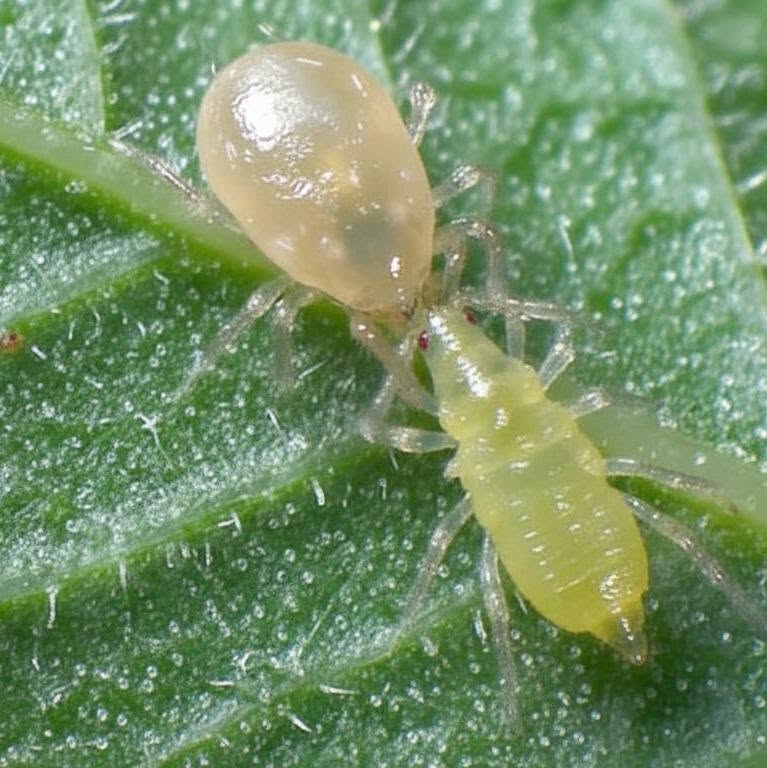
Hi, our hibiscus friends 🌺! 🌿
Spring is coming!! So let's finish today our huge topic about hibiscus pests!
Today we're talking again about one of the most interesting topics — biological pest control on hibiscus 🌺
Let's get started ❤️
🕷 SPIDER MITES
One of the most common hibiscus problems, especially indoors during autumn and winter when the air becomes dry.
For success, make sure you have: ✔ Stable temperatures ✔ Moderate humidity (very dry air reduces predator efficiency) ✔ No chemical spraying after release
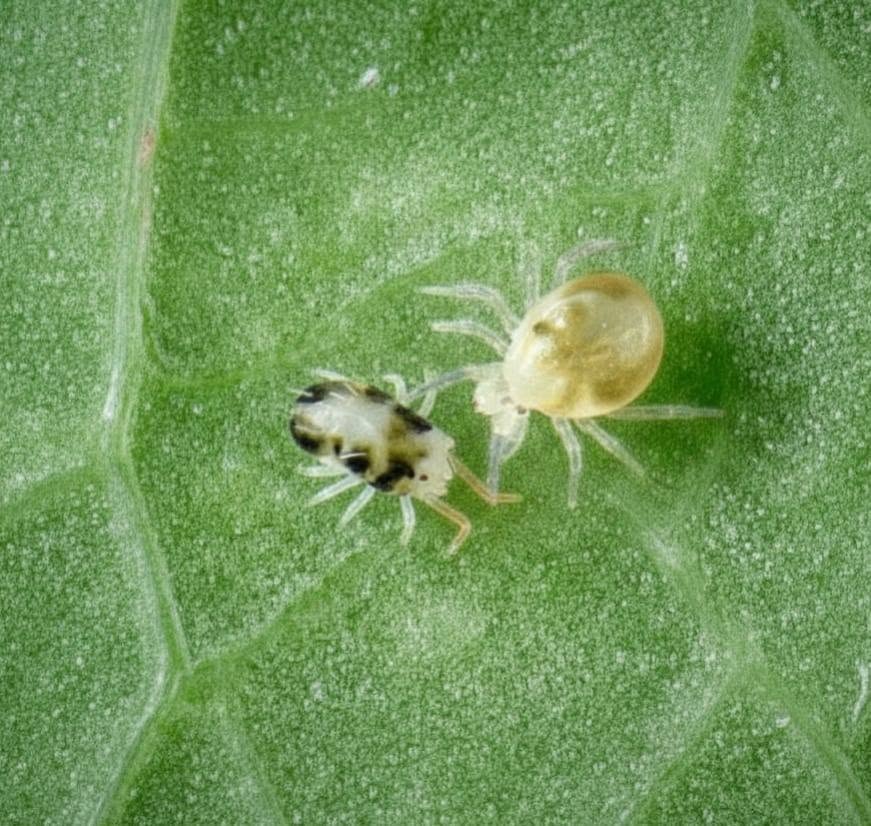
🟢 Phytoseiulus persimilis Best for heavy infestations.
⚠ Needs moderate humidity. ⚠ Works best when mites are already present in high numbers.
- Feeds on ALL spider mite stages
- Extremely fast and aggressive
- Kills up to 20–30 spider mites per day
🟢 Neoseiulus californicus (Amblyseius californicus) Best for medium infestations & prevention.
- Feeds on all life stages
- Survives longer without food
- Can feed on pollen
- More tolerant to heat and slightly drier air
🌿 Our experience: We used this species during a moderate outbreak. Within one week, spider mite numbers dropped significantly. In two weeks, the leaves were completely clean. For home growers, this is often the most practical choice.
🟢 Neoseiulus cucumeris Primarily a thrips predator. It may feed on some mites but is NOT highly effective against two-spotted spider mites.
🪱 SOIL HELPER – Stratiolaelaps scimitus (Hypoaspis)
One of our absolute favorites!
This soil-dwelling predator controls:
- Fungus gnat larvae
- Thrips pupae in soil
- Springtails
- Other soil pests
Additional benefits:
- Improves soil structure
- Helps organic matter break down
- Gently aerates substrate
🌿 Our experience: If you struggle with fungus gnats, this predator is a lifesaver. Just add about ½ teaspoon of the carrier substrate per pot, and the soil ecosystem stabilizes naturally. No more fungus gnats just in a few weeks!
🪰 THRIPS CONTROL
Thrips are tricky because:
- Larvae feed on leaves and flowers
- Pupae hide in soil
- Adults move fast
For heavy infestations, a layered approach works best.
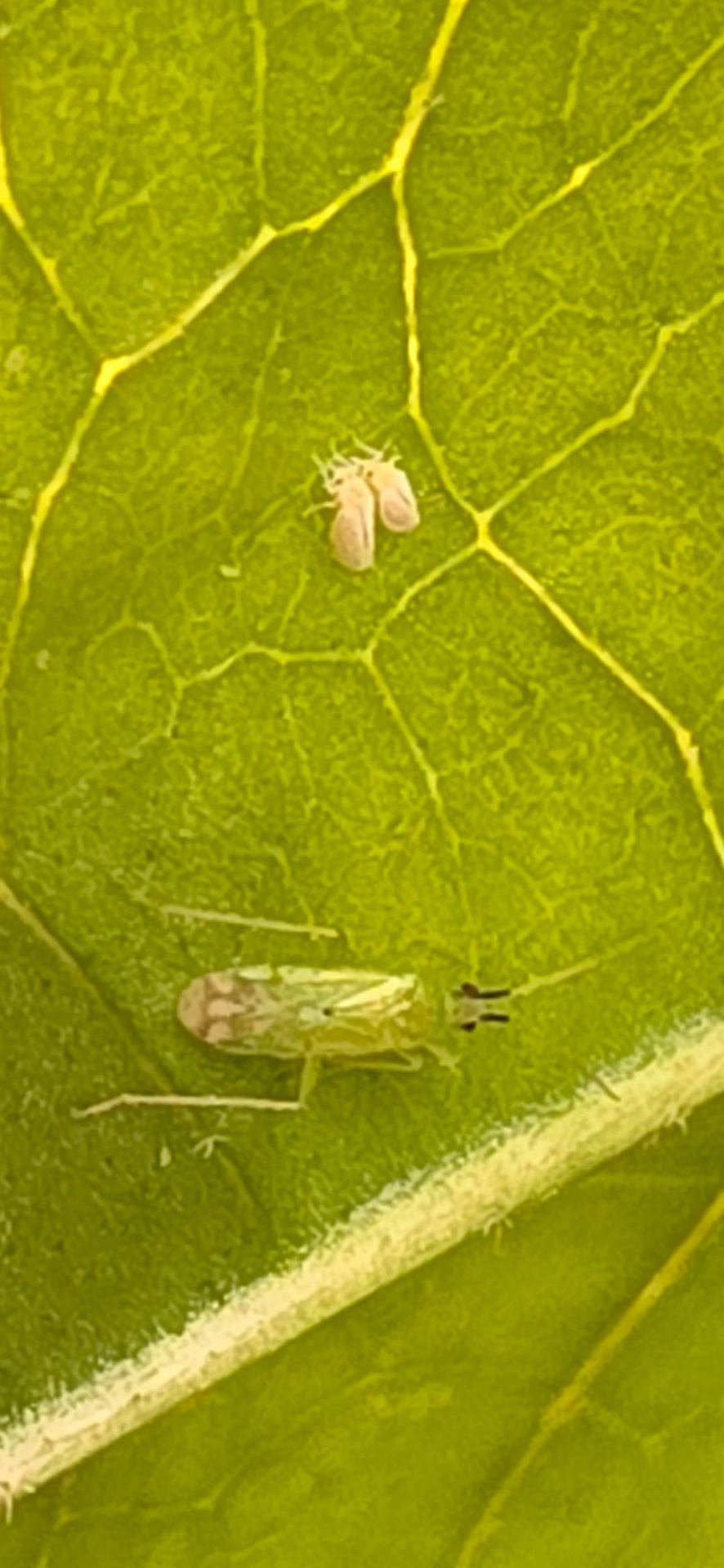
🌿 Amblyseius swirskii
- Feeds on first-stage thrips larvae
- Also controls whiteflies
- Active above 16°C
- Works best in warm, moderately humid conditions
🌿 Our experience: Swirskii works very well against thrips and whiteflies. But if infestation is strong, one predator may not be enough.
🌿 Amblydromalus limonicus
Good for curative treatments in warm environments.
- Aggressive, fast-reproducing
- Controls early thrips larvae
- Also feeds on whitefly eggs
🐞 Orius laevigatus A predatory bug that attacks:
One adult can eat up to 20 larvae per day. Works best above 20°C. Excellent for serious infestations because it targets adults.
- Thrips larvae
- Adult thrips
⚠ IMPORTANT:
Do NOT release multiple predatory mite species at the same time in small indoor collections — they may compete or eat each other.
🌿 Our preferred strategy for heavy thrips:
- Choose ONE predatory mite species
- Add Orius for adult control
- Add Stratiolaelaps if fungus gnats are also present
🐜 APHIDS
Predatory mites like Swirskii or Limonicus do NOT control aphids effectively. Better options:
🐞 Ladybugs
Very effective for visible colonies. Very effective against most of the pests, but they are used mostly in greenhouses 🐞
- 50 aphids per day (adult)
- Up to 1,000 during larval stage
🐛 Chrysoperla carnea (Green lacewing)
Also feeds on thrips & whiteflies. We got a very positive review on this predator!
- Up to 50 aphids per day
- Over 600 during development
🪰 Aphidoletes aphidimyza Small orange larva that actively hunts aphids. Very effective in greenhouse systems.
🌿 We did not see very good results with Macrolophus against aphids in our conditions.
🟤 MEALYBUGS
For mealybugs, specialized predators work best.
Cryptolaemus montrouzieri ("Mealybug destroyer")
We haven't personally tested it, but professional feedback is very positive.
- Feeds on all stages of mealybugs
- Highly specialized predator
🌺 OUR FINAL ADVICE
✔ Biological control works best preventively ✔ Keep humidity and temperature stable ✔ Avoid chemicals after releasing predators ✔ Monitor plants weekly ✔ Match the predator to the pest
When managed properly, beneficial insects create a small ecosystem around your hibiscus — and your plants stay healthy with much less stress and intervention 🌿
We hope this post helps you grow strong, pest-free hibiscus!
Save this information and like, so we can see if this information was useful for you, thank you for your attention!!!
Next Topic: Pruning! All main rules and mistakes!