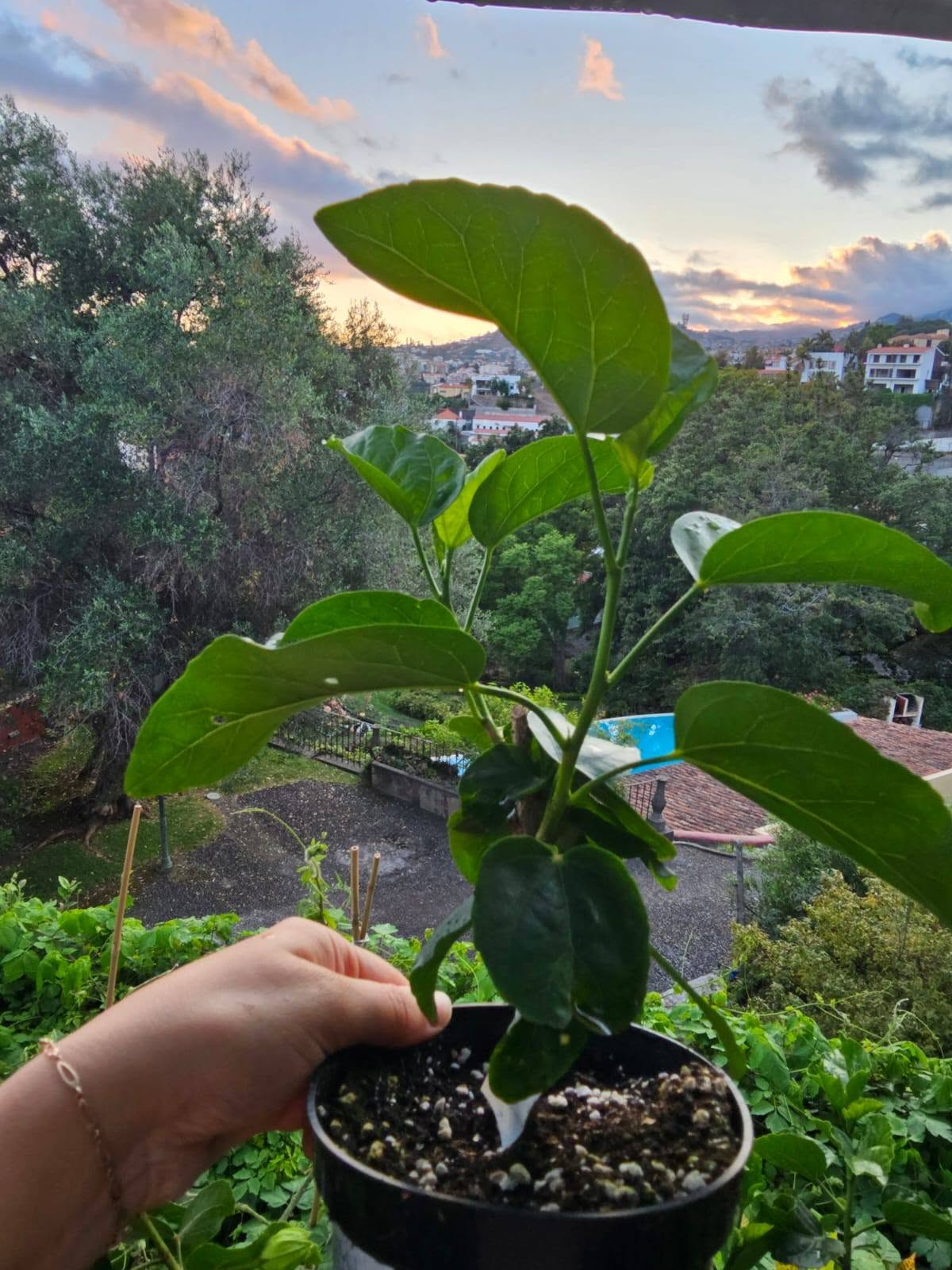
Let's be honest — a lot of plant lovers are afraid to prune. Cutting a healthy branch feels wrong. But when it comes to hibiscus, pruning isn't damage… it's a gift.
If you want a lush, bushy plant covered in blooms, pruning is not optional. It's essential. 🌿
And here's the most important secret:
No new shoots = fewer flowers.
🌿 When Should You Prune?
The main pruning is done in late winter or early spring (February–March).
At this time:
- Shorten branches by 2–3 buds (if the plant is not too long).
- This wakes the plant up.
- It stimulates strong young shoots.
- And those shoots will carry your future flowers.
Think of it as pressing the "refresh" button for the new season.
🌱 Types of Pruning (And Why They Matter)
This is where you become a plant sculptor.
Most hibiscus naturally grow one long central stem. If you leave it alone, you'll get a tall stick with leaves at the top — not very impressive.
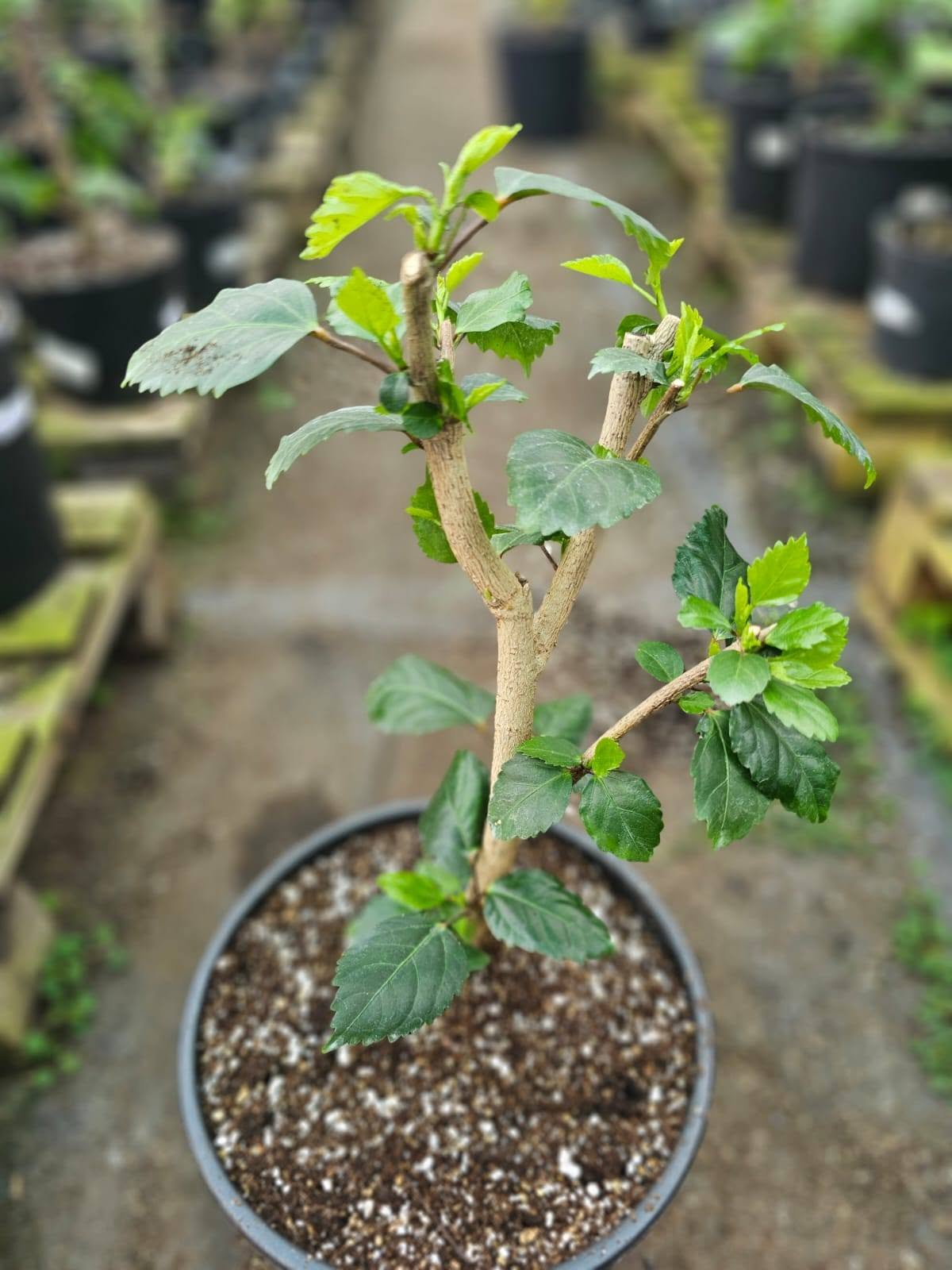
By shortening the main branches (sometimes to about 20 cm), you:
- Encourage side shoots
- Create density
- Increase flowering
- Build a beautiful shape
If your young plant isn't branching, prune it as soon as it shows good growth. It will adapt faster and reward you with fuller growth.
This is simple plant hygiene.
Remove:
- Dry branches
- Weak shoots
- Diseased growth
- Branches growing inward
Better airflow = healthier plant.
Have an older, stretched-out plant? No problem.
Cut branches back — most part of the old branches! Yes, it sounds dramatic — but hibiscus responds beautifully. You'll often see strong new shoots emerging soon after.
This is your maintenance tool.
- Remove the tips of young shoots above 3–4 leaves.
- It forces the plant to branch.
- After flowering, remove faded blooms and seed pods.
- Lightly shorten side shoots to prepare for the next wave.
Small cuts, big results.
🌿 Why Pruning Is So Important
Without pruning, many hibiscus varieties grow long, sparse branches.
This causes problems:
- Fewer side shoots
- Fewer flowers
- Leaf drop under stress
- Higher risk of root rot (because fewer leaves mean less moisture regulation)
A well-pruned hibiscus is balanced, leafy, and resilient.
If your adult plant has stretched out — don't panic. In spring, simply shorten those long branches a little. It will quickly produce new lateral shoots.
✂️ The Golden Rule
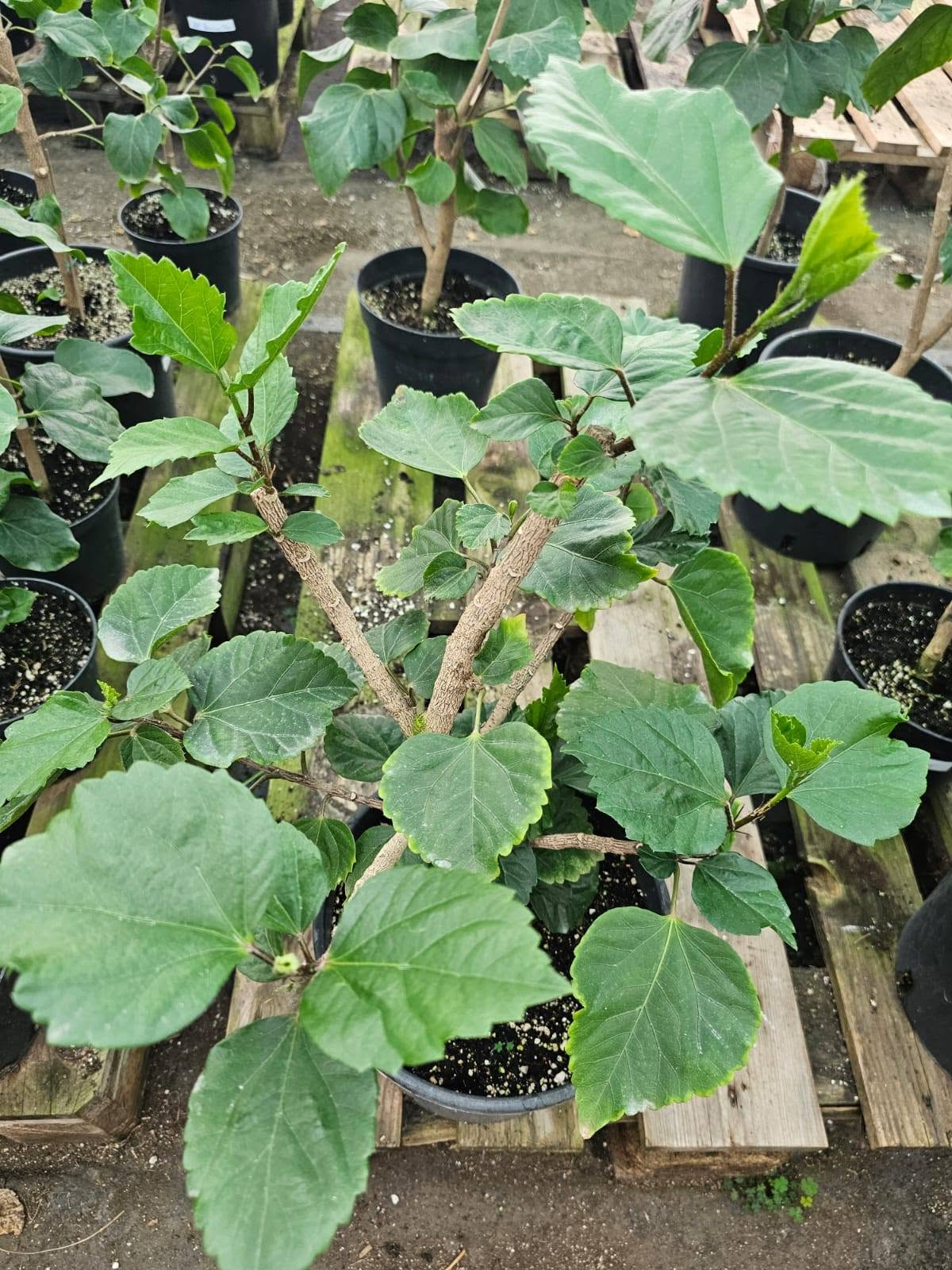
Always cut just above a bud.
And here's the magic: The new shoot will grow in the direction the bud is facing.
- If the bud points outward → the branch grows outward.
- If it points inward → the branch grows inward.
Once you understand this, shaping your plant becomes easy and intentional.
✂️ Smart Pruning Rules
✔ Use sharp, clean tools. ✔ Disinfect them before cutting each plant. ✔ Cut at a 45° angle above an outward-facing bud. ✔ Leave a few leaves below the cut. ✔ Make sure live green buds are present below the cut. ✔ Remove shoots growing inside the crown or parallel to the trunk. ✔ Never remove more than 1/3 of the plant at once. If necessary, prune in stages. ✔ Large cuts can be sealed with charcoal powder.
Moderation is key. Hibiscus is strong — but balance is everything.
🌿 Aftercare
After pruning:
- Place the plant in a bright spot.
- Feed with a nitrogen-rich fertilizer.
- Consider using a gentle biostimulant (like algae or aloe extract).
- Water carefully — avoid overwatering.
Pruned hibiscus often responds quickly and produces several new shoots at once.
IMPORTANT: If your plant lost many leaves over autumn or winter and you want it bushy by summer, simply shorten each twig by a few buds. Fresh growth will follow.
🌳 Popular Shapes You Can Create
🌿 Compact Bush Keep branches around 20–30 cm long. Regular trimming creates a dense, rounded, heavily blooming plant.
🌿 Layered Shape Cut branches at different heights to create structure and fullness.
🌿 Standard (Mini Tree) Grow one straight trunk, remove side shoots, and after your tree is long enough, pinch the top to create a crown. Maintain yearly.
🌿 Pyramidal or Decorative Form Achieved through careful shaping and sometimes staking. Works best on well-branched plants (mostly outdoors).
🌺 Very Important for Grafted Hibiscus Owners
If your hibiscus is grafted, always remove shoots growing below the grafting spot.
Those shoots belong to the rootstock (a simpler variety). If you leave them:
- They steal energy.
- The grafted hybrid weakens.
- Flowering may slow or stop.
No matter how healthy they look — remove them. This step is crucial.
🌿 Remember!
You are helping your hibiscus grow stronger, fuller, and more beautiful.
Once you see the first flush of blooms after a confident pruning session, you'll never be afraid of your pruners again. ✂️🌺
Hopefully it was useful information for you now, when the spring is coming!