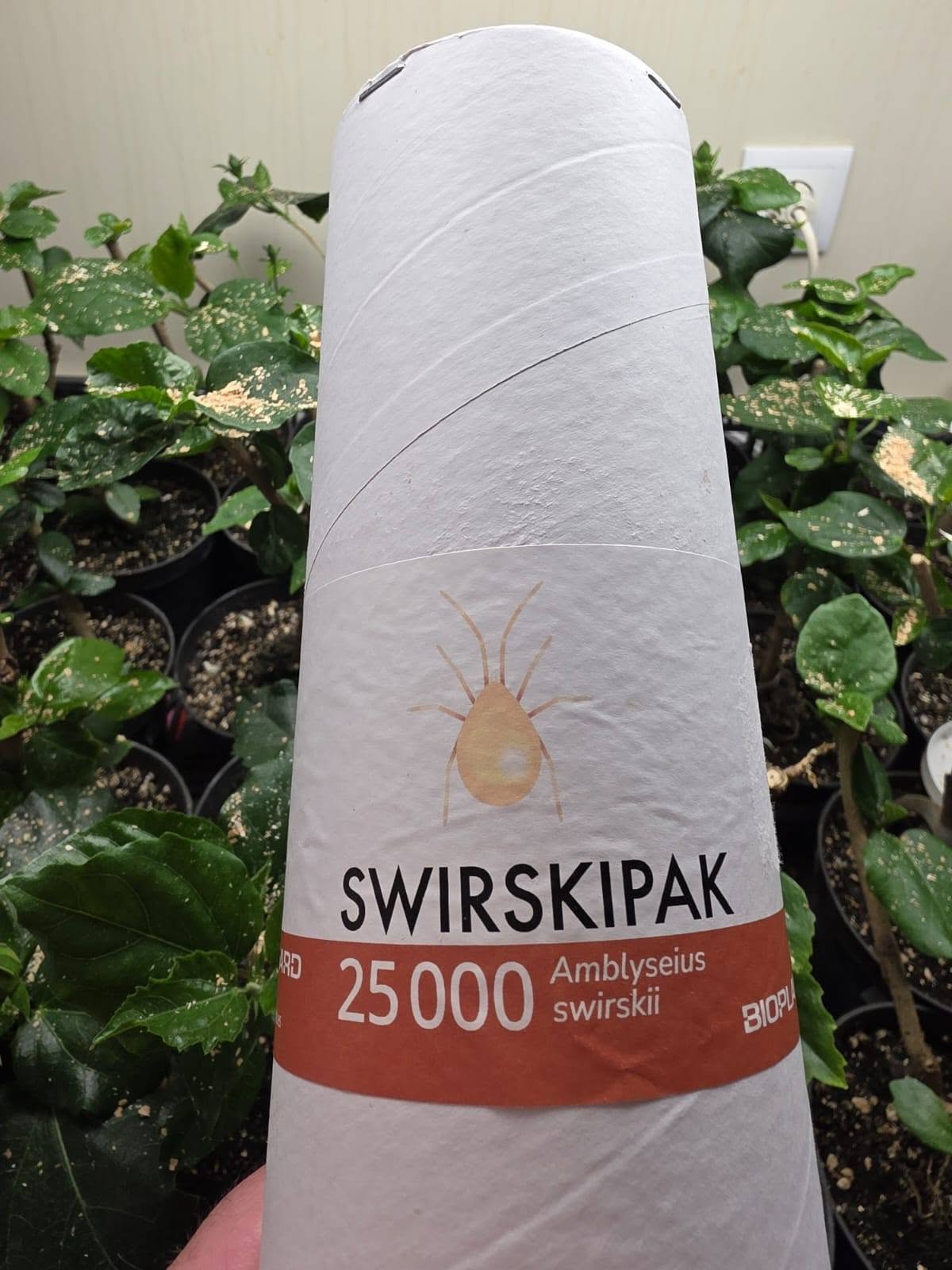
Hey friends! 🌟 Today we will discuss all about entomophages — helpers in the fight with whiteflies 🌺! Nature's Pest Control for your Plants 🌿
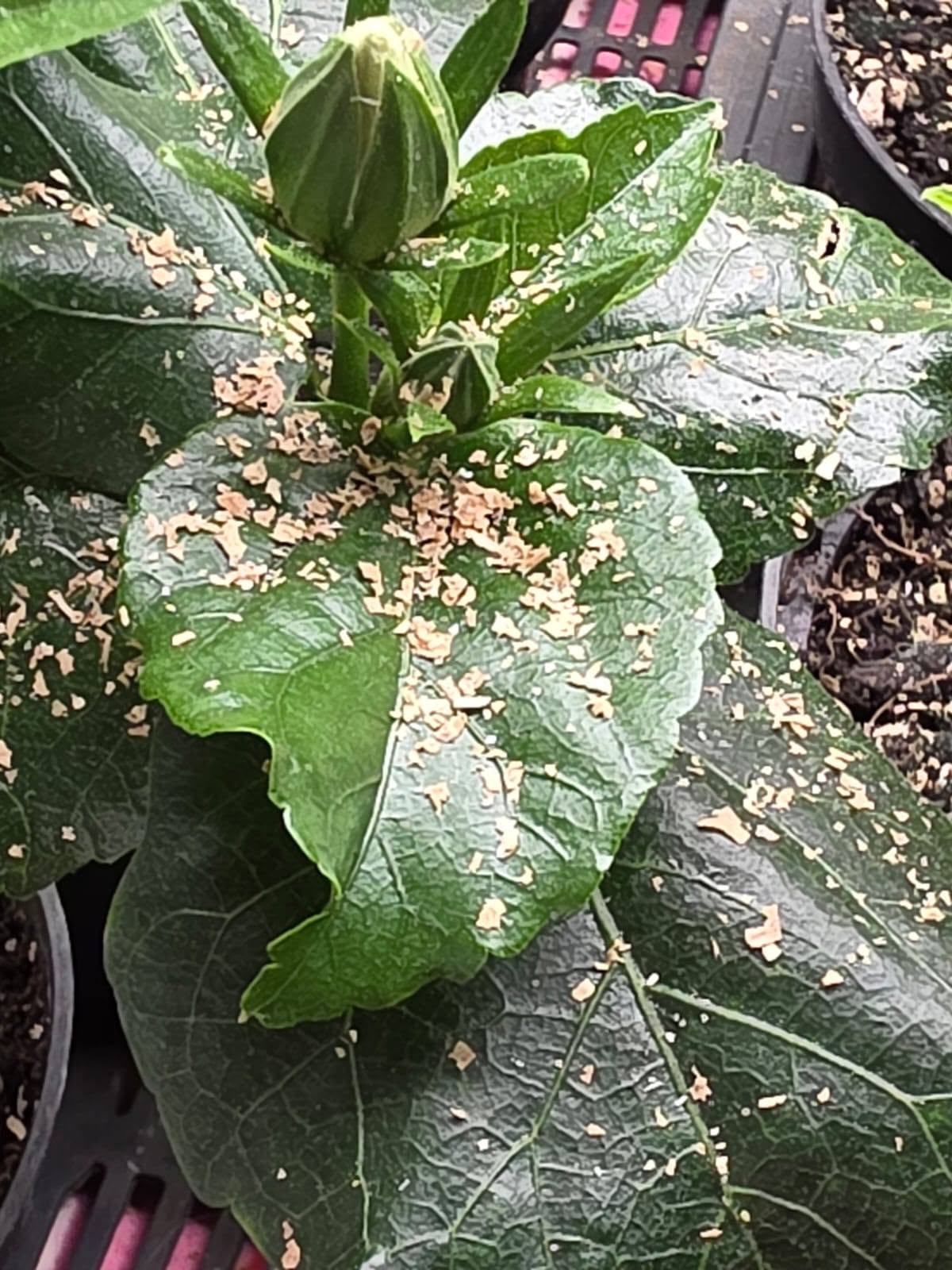
🐞 What Are Entomophages?
Entomophages are beneficial insects and mites that feed on plant pests.
When introduced correctly indoors, they can eliminate most common pests naturally — without chemicals.
They work actively for about 3–4 weeks, which is their life cycle. After that, their population decreases if they don't find enough easy-to-find food, and sometimes you need 1–2 additional introductions to completely break the pest cycle.
If there are no pests left, they naturally disappear. If pests return, you simply reintroduce them.
And most importantly:
These steps determine success:
1️⃣ No chemicals 2–4 weeks before release No insecticides, no neem oil. Otherwise, predators will die.
2️⃣ Reduce adult pests first Predators mostly eat eggs and larvae — not flying adults. Wash plants, remove heavily infested leaves, use sticky traps. This step makes a huge difference (we tested it — more below).
3️⃣ Water plants before release Do not water immediately after. The carrier material can swell and trap the mites.
4️⃣ Let the container warm to room temperature before applying.
5️⃣ Mix the substrate well before sprinkling.
6️⃣ Apply correctly
- Soil predators → into the soil (½–1 teaspoon per plant)
- Leaf predators → evenly sprinkle over foliage over EACH PLANT
Please don't forget! The predatory insects love warm temperatures (20–30°C) and, what is very important, high humidity.
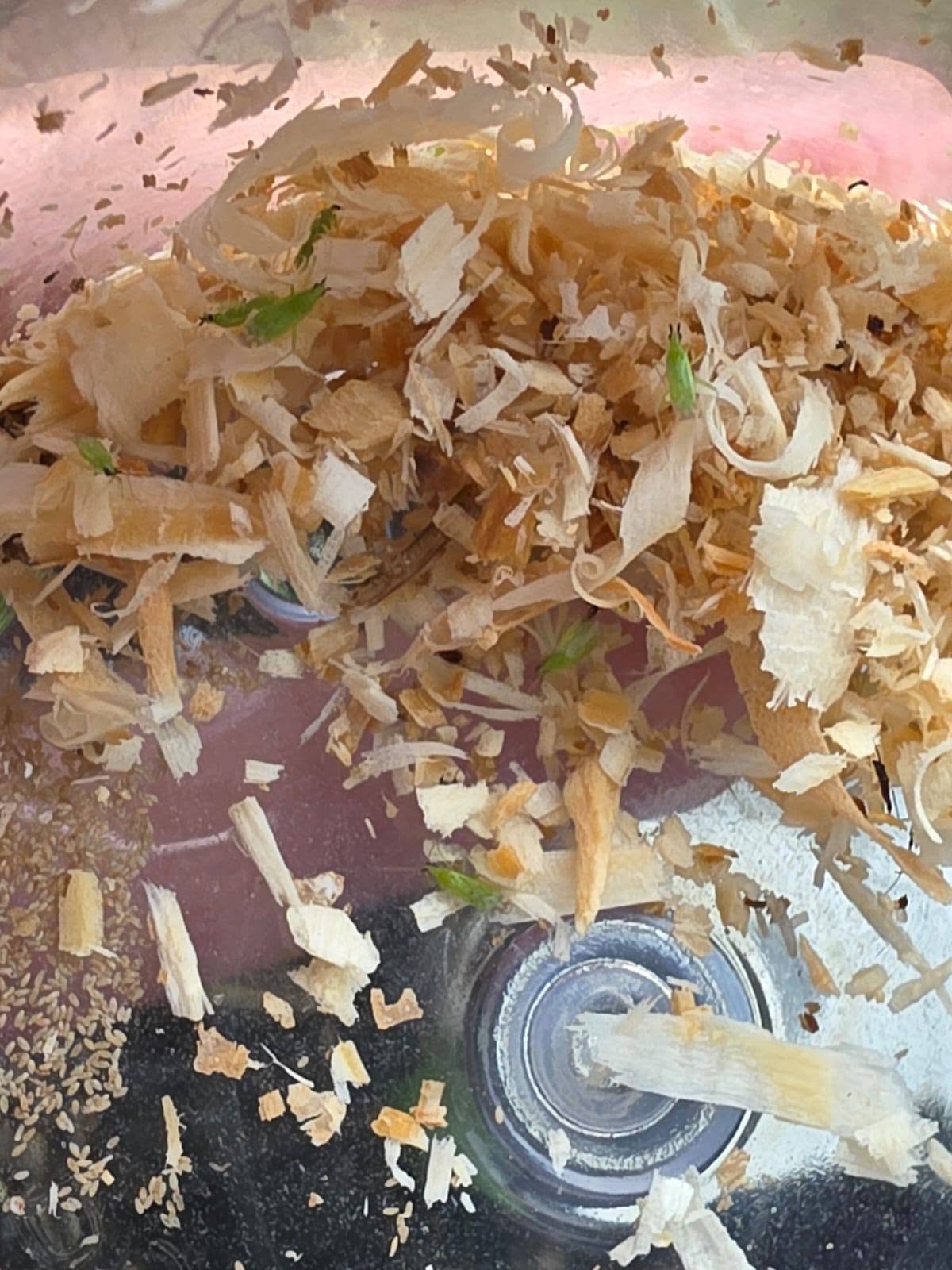
🌼 Main Predators Against Whiteflies and Thrips
Predatory Mites (never use mites from different types together)
🟢 Amblyseius montdorensis Controls:
✔ Works across a wide temperature range ✔ 1 sachet per plant (effective for 4–6 weeks)
- First larval stages of thrips
- Whitefly larvae
- Tarsonemid mites
- Also feeds on spider mites
🟢 Amblyseius swirskii Very effective against:
Works from 16°C. Spreads quickly and reduces pest numbers within days. In our opinion — one of the best and most effective choices against whiteflies for hibiscus.
- Whitefly eggs and larvae
- Thrips eggs and larvae
🟢 Amblydromalus limonicus Works from 11°C. Very aggressive against all larvae stages of whiteflies and almost all larvae stages of thrips, and reproduces rapidly. Excellent for heavy infestations. Feeds on:
Perfect choice to use together with Parasitoid Wasps.
- Whitefly eggs and larvae
- First- and second-stage thrips larvae
🟢 Neoseiulus cucumeris (Thripex) Neoseiulus cucumeris is a generalist predator that feeds on small insects, including thrips, psyllids, and whiteflies, and plant-feeding mites. It is currently primarily used for thrips control, although it also likes whiteflies. Works from 12°C. Great for temperate climates and early crops.
🐝 Parasitoid Wasps for Whiteflies
These don't eat pests — they lay eggs inside them.
🟡 Encarsia formosa Females lay 200–500 eggs inside whitefly larvae. The parasitized whiteflies turn black ("mummies"). Adults emerge in about 21 days at 23°C (faster in warmer conditions, slower in cooler ones). Important: results are not immediate — they need time to develop. Apply when the first adult whiteflies appear:
Repeat every 1–2 weeks.
- 5–10 per m² (prevention)
- 15–30 per m² (infestation)
🟡 Eretmocerus eremicus Eretmocerus eremicus is a tiny (approx. 1 mm) parasitic wasp used in biological control to combat whitefly infestations, particularly Bemisia tabaci (sweetpotato/silverleaf) and Trialeurodes vaporariorum (greenhouse whitefly) in greenhouses and at home for vegetables and ornamentals. Especially effective at high temperatures, even more than 30°C. Often combined with Encarsia for stronger control in hot conditions.
🐞 Larger Predators
🟢 Macrolophus pygmaeus A larger predatory bug that eats thousands of pest eggs and larvae. Works between 13–42°C.
Our honest experience: In the greenhouse, temperature fluctuations were fatal for many of them. At home — results were mixed, they still prefer eggs to adult insects. We find the Amblyseius swirskii way more effective.
Some growers report excellent results. Conditions and supplier quality matter a lot.
🐞 Other Natural Helpers 🟢 Chrysoperla carnea — Lacewing larvae are voracious predators of whitefly larvae. 🟢 Delphastus catalinae — A specialized ladybird that feeds exclusively on whiteflies (all stages).
🌿 Our Predators vs Whiteflies Experiment (Very Important!)
We tested two groups of heavily infested plants. We used Amblyseius swirskii and Encarsia formosa for this experiment.
❌ Group 1 — No adult reduction first Eggs and larvae decreased after 5–10 days. But adults continued laying eggs daily, as we remember each of them lays 220–300 eggs per lifespan. Result:
- Needed 3 introductions
- Took 1–1.5 months to gain strong control, the adult flies still there, 80–90% less eggs
We washed plants and removed heavily infested leaves before releasing predators. Result:
- Visible improvement in 5–10 days
- Plants are almost pest-free after 3 weeks
- No eggs after 6 weeks, very few adult flies, which are easy to remove mechanically, or continue using the swirskii until they completely disappear. Very clean, pest-free leaves!
The difference was significant: way quicker noticeable results and less adults and eggs.
🌿 Final Thoughts
Predatory mites and beneficial insects are powerful helpers if: ✔ You choose the correct species ✔ Temperature and humidity are appropriate ✔ You reduce adult pests first ✔ You repeat releases if necessary ✔ You stay patient for the first 1–2 weeks
For permanent indoor collections, regular biological control plus strict quarantine of new plants can bring you very close to pest-free plants / completely pest-free plants — without chemicals.
And honestly… that feels amazing 🤗 We wish we could use them in our greenhouse, but unfortunately it seems impossible due to temperature differences (too cold +10°C / too hot +45°C).
Next week we'll talk in detail about predators for spider mites, thrips, fungus gnats, aphids, mealybugs, and scale insects.
Aaand! We will tell about our experience with wonderful predators which help to completely get rid of spider mites and fungus gnats. 🌿