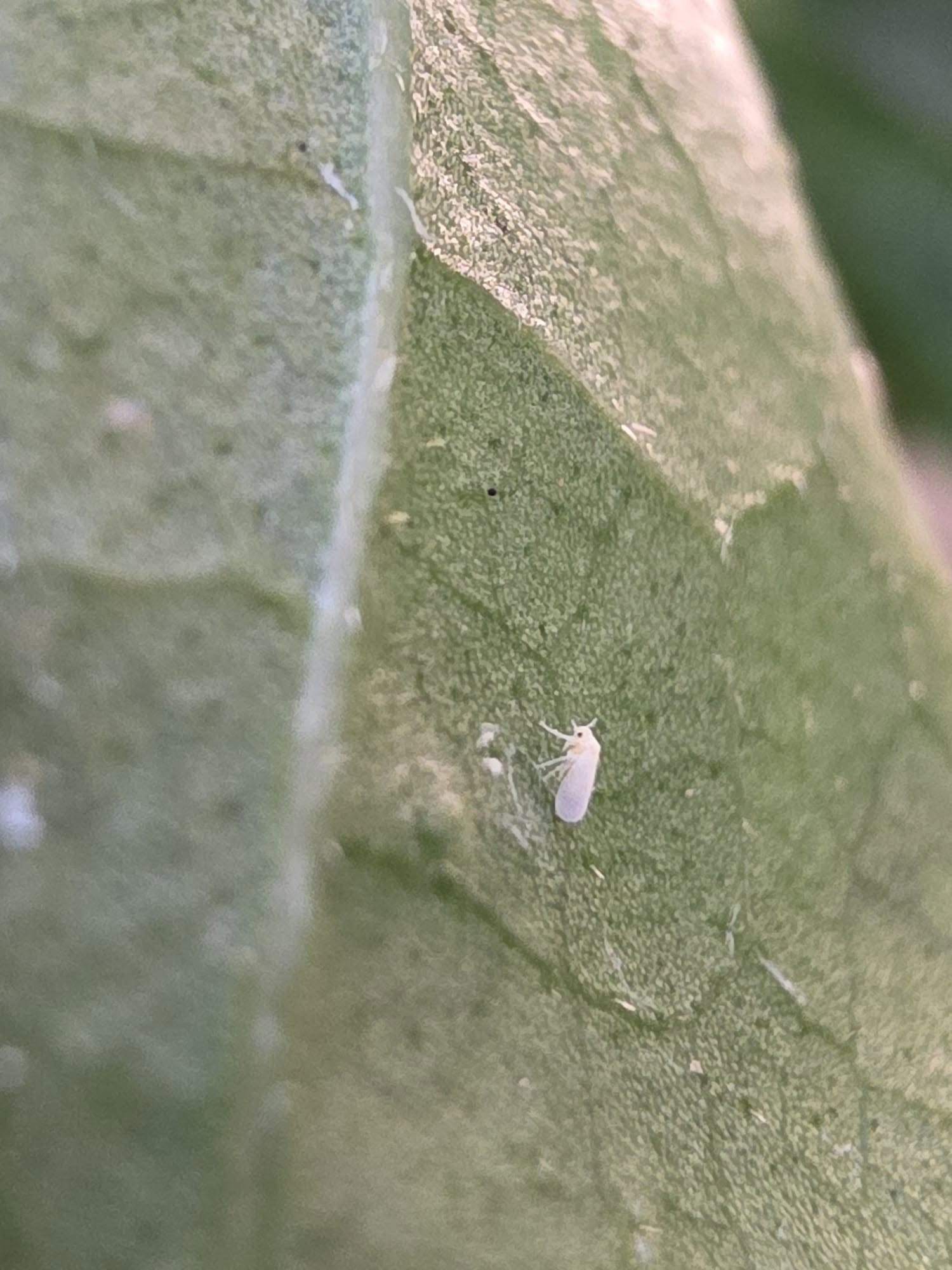
Hey friends! 🌟 Today we will discuss white flies — verryyy frustrating and annoying pests! 🌺
They multiply fast, hide well, and survive most treatments. But with the right strategy and patience, you can reduce them to a minimum — and sometimes even eliminate them.
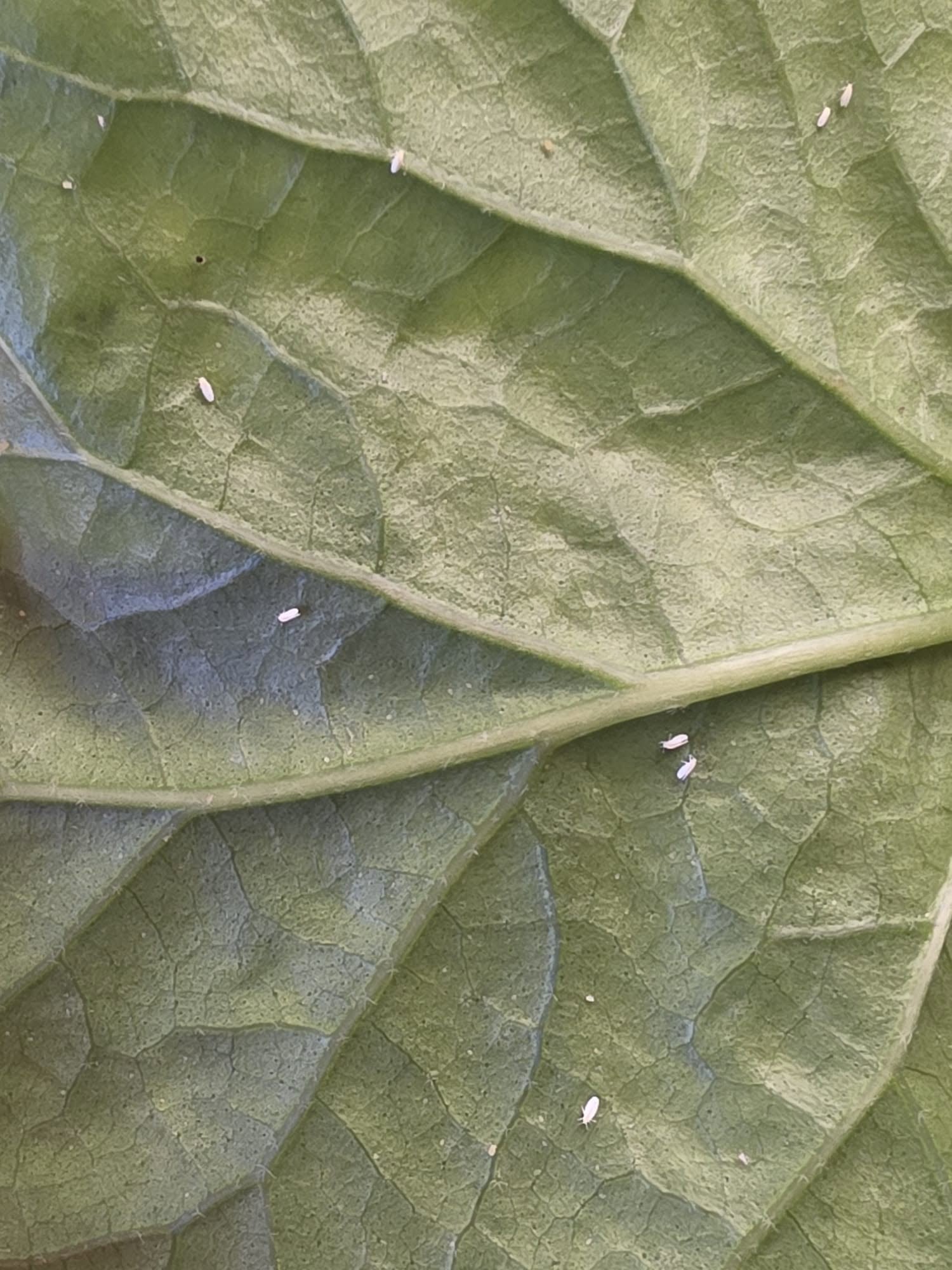
🪰 Why Whiteflies Are Such a Problem
- One female whitefly lays 100–400 eggs in just one month
- That's 6–20 eggs per day
- Eggs are pressed into the leaf and are not affected by most sprays
Whiteflies damage plants by: ✔ sucking sap (weakens the plant) ✔ spreading viruses ✔ producing sticky honeydew → sooty mold
And yes… they absolutely love hibiscus 🪴😔
Whiteflies are a pesky pest. These small, light-winged butterflies don't die from any treatments, surviving despite everything.
The problem is that many treatments don't work on whitefly eggs. Pressed into a leaf, the pest eggs quietly reach adulthood and hatch at a certain time, quickly forming a colony of adults to replace those killed during the first treatment.
To understand how to get rid of whiteflies, we need to look at their life cycle.
🔄 Whitefly Life Cycle (This Is the Key!)
Whiteflies go through 5 stages: Egg → crawler → 3 nymphal stages → pupa → adult
⏳ The full cycle takes 15–40+ days, depending on temperature. 🚫 The first 4 stages are very hard to kill.
This is why whiteflies come back again and again — new adults are constantly hatching from eggs and pupae.
So, your task is to kill all the new coming adult whiteflies during the full cycle, then keep doing it but with already way less insects.
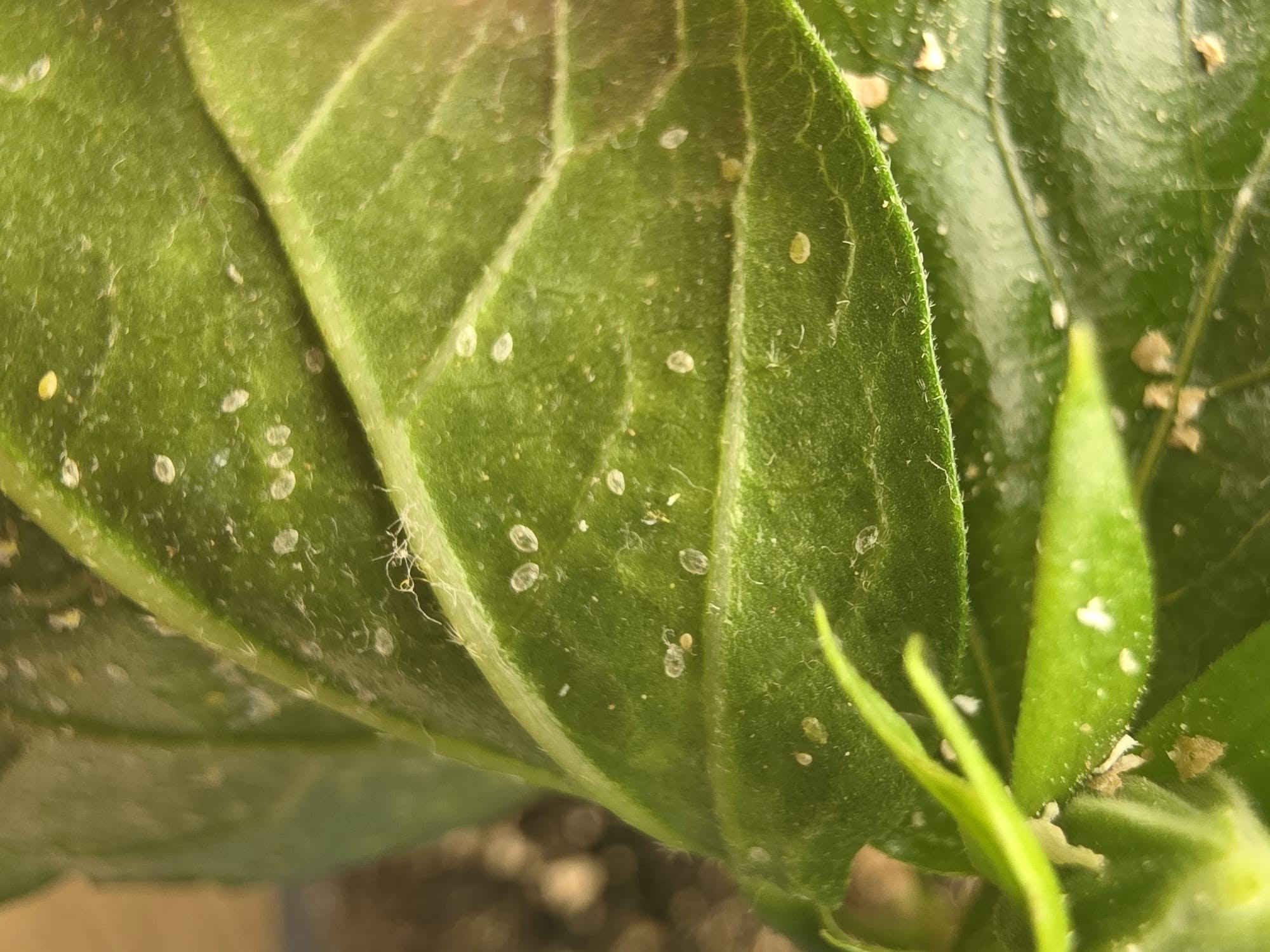
🌱 Step-by-Step Whitefly Control (Best results = follow this order)
1️⃣ Strong Water Spray Use a hose or shower to wash off whiteflies, especially from the underside of leaves. ✔ Removes up to 50% ✔ Helps plants breathe ❌ Not enough alone — must be repeated
2️⃣ Remove Heavily Infested Leaves
- Check especially the lower leaves
- Whiteflies gather in groups
- Remove and destroy the worst leaves after washing adults off
After steps 1–2, most adult whiteflies are gone — but eggs remain.
3️⃣ Manually Remove Eggs Once leaves are dry, you can use:
✔ Removes up to 70% of eggs and larvae ✔ Very effective and safe for the plant
- Adhesive tape (press gently under the leaf)
- Any towel with a rough surface (very lightly wipe the underside), which has a perfect structure to remove the eggs from the underneath side without damaging the leaf.
Yes, it's work — but it really helps.
4️⃣ Yellow Sticky Traps Place yellow sticky traps:
They catch new flying adults and help you monitor progress.
- On the plant
- Near the plant
5️⃣ Vacuuming & Airflow When new adults appear (after a few days):
- Vacuum early in the morning (they're slow)
- Focus on the underside of leaves
🌞 Summer tip: Put plants outside — wind + natural predators reduce whiteflies dramatically.
🏠 Indoors: Place plants on a windowsill and use a fan blowing air outward. Try doing it in summer, and in a few days the plants will be almost completely clean.
❄️ Winter: Vacuuming is your main option.
6️⃣ Soaps & Oils (Choose ONE)
🧼 Soap Spray Dissolve dish soap (without additives) in water (20–30 g per 1 L)
⚠ Don't leave soap on leaves too long
- Rinse plant → apply → rinse again after a few hours
🌿 Potassium Soap
- Organic, contact-based insecticide that kills whiteflies by disrupting their cell membranes and dehydrating them
- Works against whiteflies, spider mites, thrips
- Spray a solution of 5–10 ml per liter of water directly onto insects, particularly under leaves, weekly (or every 3 days for severe infestations).
🌿 Neem Oil Neem oil is a natural pesticide that can disrupt whiteflies' hormonal balance and feeding habits.
- Suffocates insects
- Disrupts feeding & reproduction
- Also works on aphids
⚠ Neem rules:
- Apply once per week × 3 weeks
- Never on weak plants
- Never in direct sun or morning sun, otherwise you can burn the leaves.
Lightly spray soil too, doesn't matter which spray you choose.
7️⃣ Biological & Microbial Insecticides These are not chemicals, but living organisms: ✔ Bacillus thuringiensis (Bt) – up to 92% mortality in nymphs ✔ Lecanicillium lecanii (Mycotal) – fungus, 75–80% effective An effective entomopathogenic fungus used as a biological control agent to manage whitefly populations, particularly in greenhouses. It kills nymphs and adults by infecting their cuticle, with efficacy often exceeding 75–80% when applied correctly. This bio-insecticide is safe for the environment. ✔ Beauveria bassiana – fungus for multiple stages of whiteflies
These biological agents infect whiteflies on contact, disrupting their life cycle, and are best applied in high-humidity conditions.
Best used:
⚠ Check if allowed in your country.
- In high humidity
- Together with mechanical methods
⏳ The Reality (Very Important) ❌ There is no miracle spray. Even chemicals help but don't completely kill all the whiteflies — only consistency helps to win over them.
✔ Mechanical removal is essential ✔ Expect weeks or months, not days 😬 Time + effort + patience = success
Each round reduces the population more and more.
One of the most interesting methods is the usage of BIOLOGICAL CONTROL AGENTS such as:
- Predatory mites
- Parasitic wasps
- Predatory bugs etc.
…which is a large separate topic that we would love to discuss the next weekend and share our experience 🧐
This method we strongly recommend using after mechanical removal of the adult flies. All about the predatory insects and most effective way of using them you can read next Sunday 🩷
For greenhouses and large commercial gardens, alongside the biological methods, chemical controls are used — but we probably won't discuss it, as for most of these insecticides you need a special permission and skills.
In our greenhouse conditions, we use mixed biological and chemical methods, and unfortunately, with a large number of plants, it is not possible to completely eradicate these insects, but we continue to work on it, currently experiencing a bit of success.